Photos of the centre
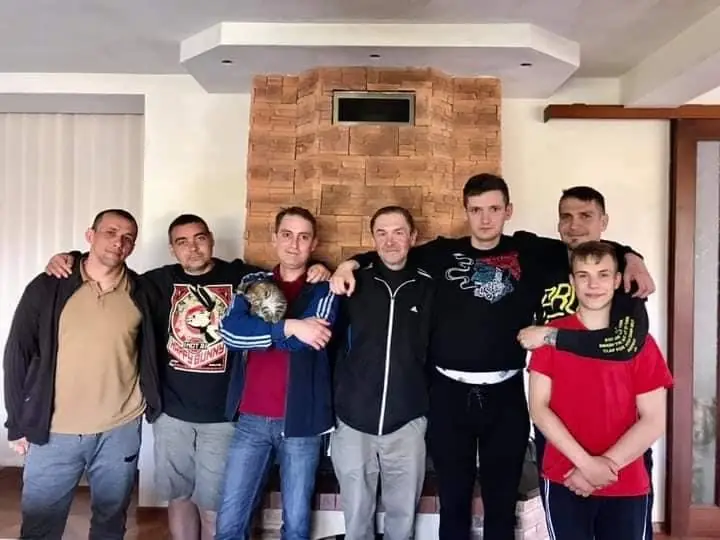
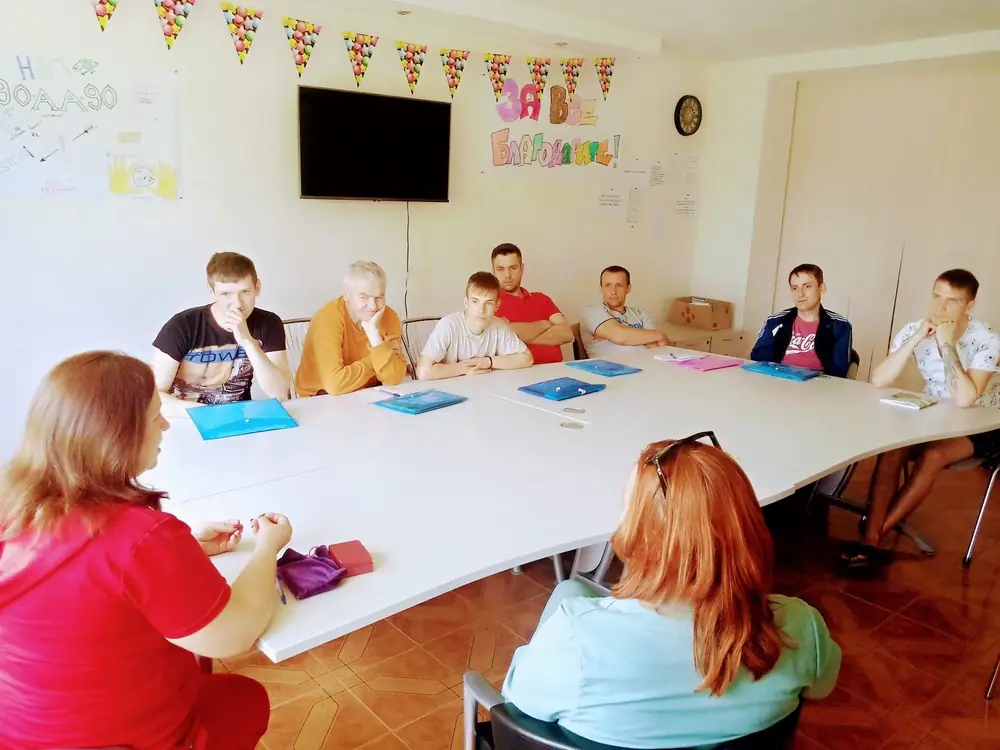
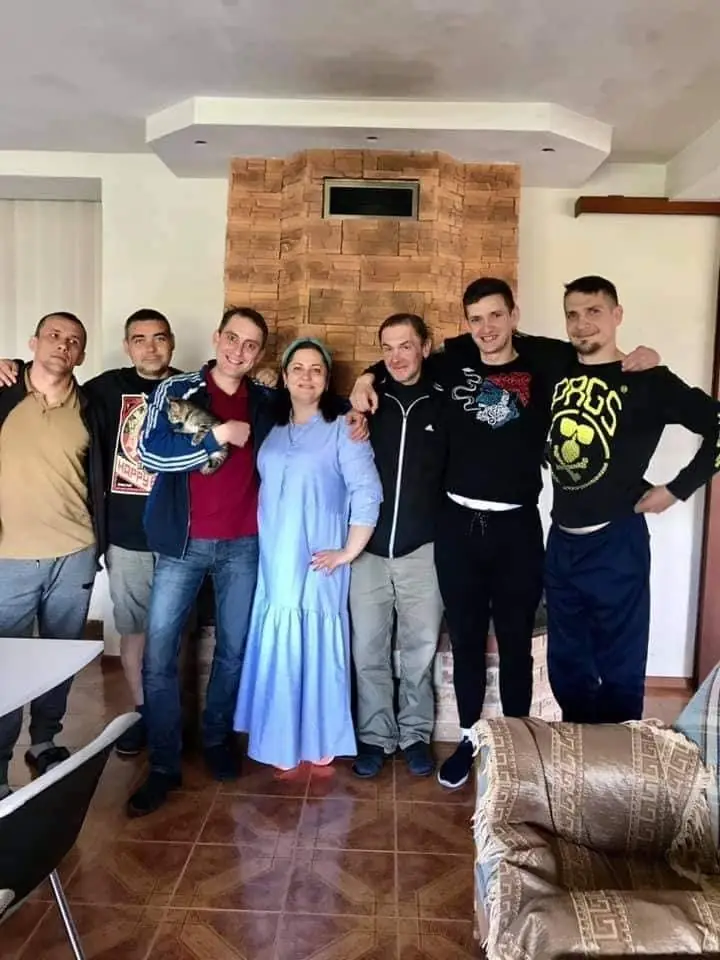
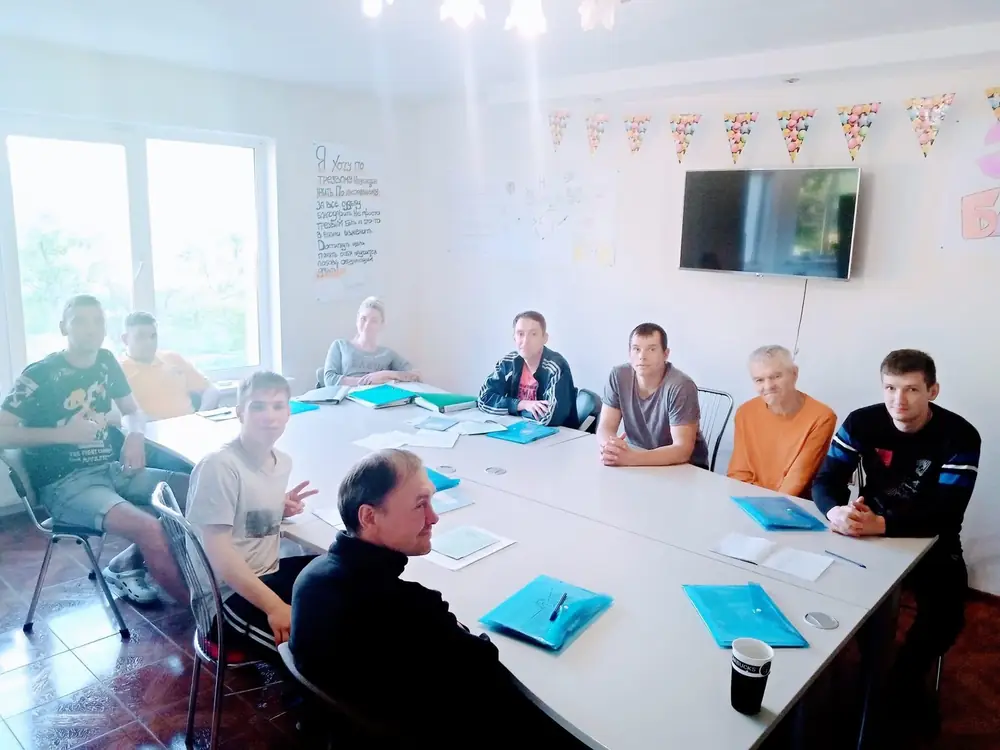
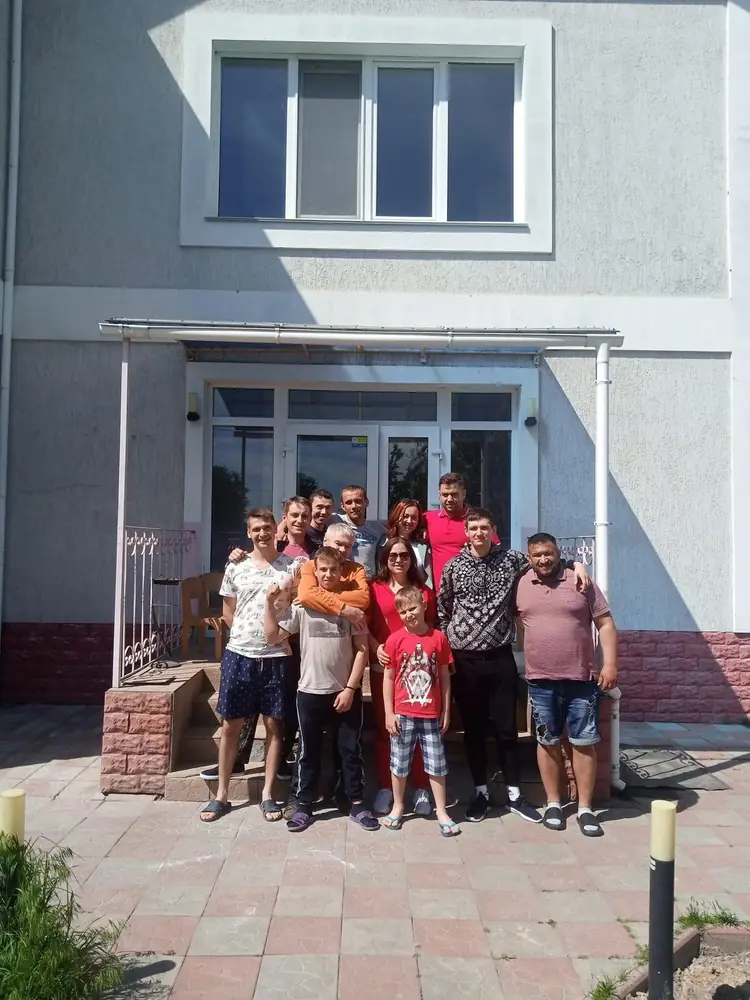
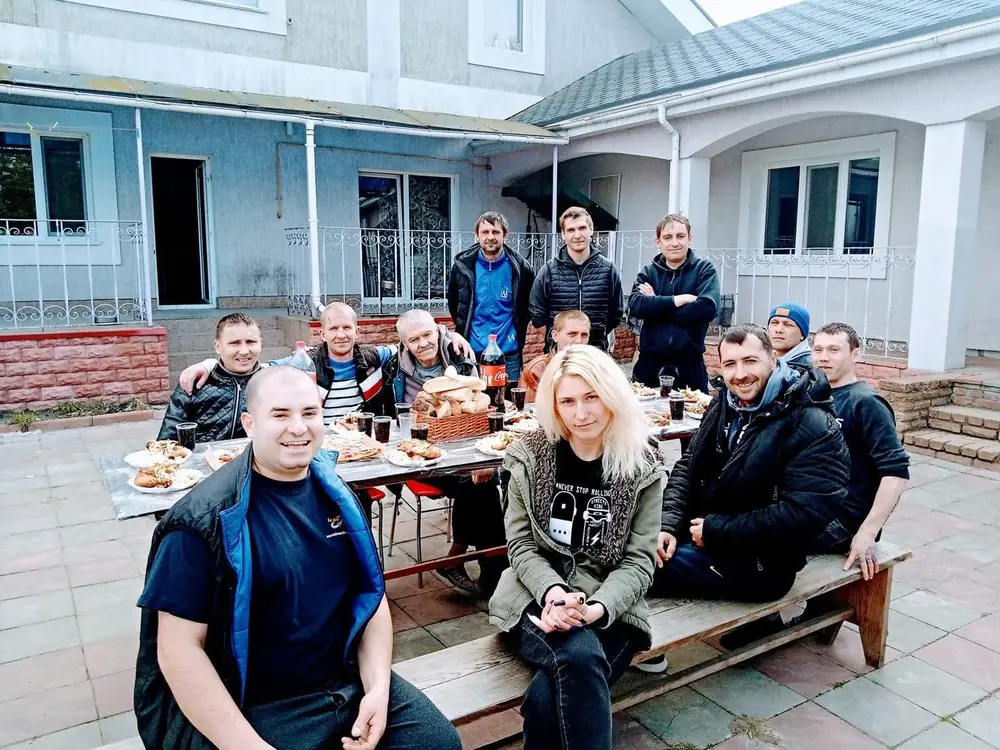
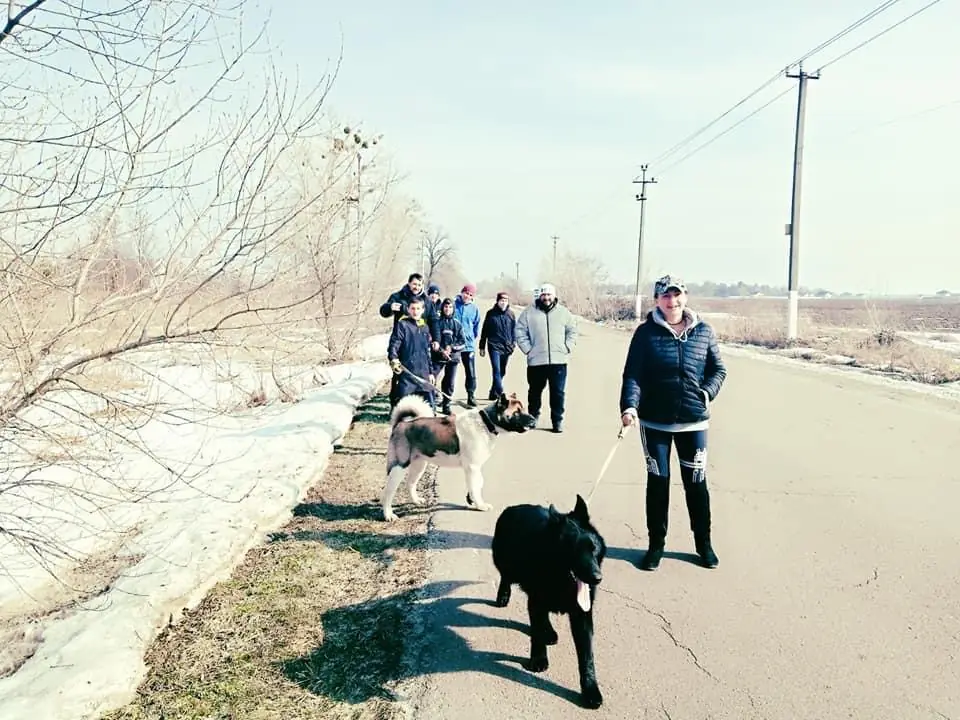
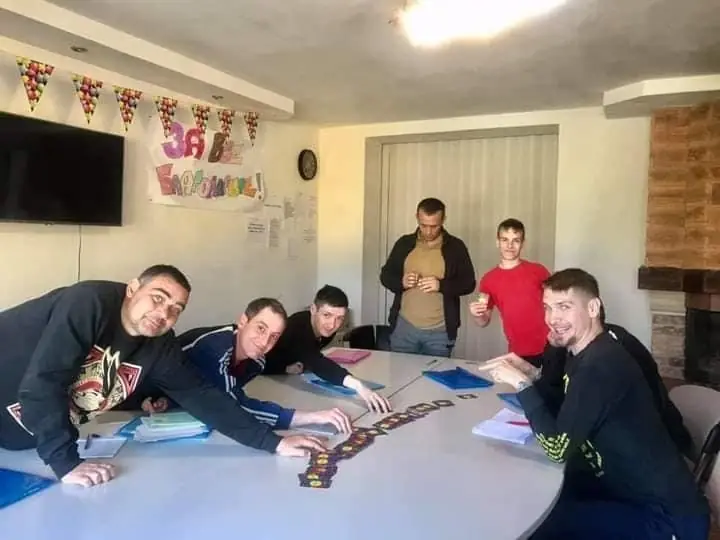
A residential programme outside the city, in Boryspil district near Kyiv. We work not only with the person who is addicted but with the family as well: it is usually a relative who rings first, and most recovery stories begin with that call.
Around the clock and anonymous. The first call is a conversation about what is happening, not a booking.
We treat it as an illness recognised by the WHO back in 1956, not as a bad character.
We show relatives how to support without rescuing: codependency is treated just as addiction is.
The first months at home decide whether the result holds — we go through those months with you.
Opiates, stimulants, cannabis, pharmacy drugs. Assessment, detoxification and an individual course of treatment.
Binge drinking, beer alcoholism, the four stages of the illness. Work with the person and with the family.
Slots, sports betting, online casinos, debts and loans. Cognitive and behavioural therapy.
A psychotherapeutic process with elements of the 12-step programme. Our philosophy of treatment, set out openly and in full.
How to persuade someone, where the limit of help lies, what to do after discharge. Support for the family in person and remotely.
We take people from all over Ukraine. How to reach the centre and what to do if you are not from Kyiv.
This is not a turn of phrase, and it is not a way of feeling sorry for anyone. In 1956 the World Health Organisation recognised alcoholism and drug addiction as illnesses: there is no complete cure, but the course of the illness can genuinely be halted. Our centre works from exactly that position, and it shapes everything — from the first phone call to where a person stands a year later.
The practical consequence is simple. If this is an illness, then telling someone to "pull themselves together" is like telling a person with a broken leg to stop limping. Persuasion does not work. Neither does shame, nor controlling the money. Treatment works: first the physical state is brought under control, then the thinking that sent the person back to using, time after time, has to change.
There is a second consequence, and relatives usually hear it from us first. A poor upbringing, difficulties at home, a lack of education — none of these causes the illness. They are only factors that may have contributed to it. Our patients have included people with degrees and people without them: doctors, soldiers, labourers, business owners. The illness does not ask about status.
The illness affects four things at once: the mind, the emotions, the spiritual self and behaviour. The mind produces a particular kind of thinking that justifies carrying on — a psychological defence known as denial. Feelings grow blunt, and the person genuinely does not sense the pain they are causing at home. Behaviour becomes compulsive: it has to be now, and it has to be quick.
Denial is precisely why a person with an addiction insists to the very last that they will stop whenever they choose to. They are not lying to you — they believe it. That is why the problem is almost always spotted first by family, friends or colleagues rather than by the person who is ill. The person admits it themselves much later: sometimes a year or two afterwards, sometimes ten years after they were first told at home.
Our experience points to one more thing worth knowing in advance. Once someone has lost the ability to use in a controlled way, even a long break — three months, six, twenty years — changes little: a small dose takes them back to the old amounts very quickly, and often beyond them. So the only thing that really works is complete abstinence combined with a programme of personal growth.
The person works with a psychologist on a course put together for them individually. With the family we work separately, explaining how to support without rescuing, and how to stop feeding the illness with your own hands. That pattern is called co-dependency, and it is treated in much the same way as the addiction itself.
Graduates of the centre take part in the programme — people who have been through the same thing and returned to ordinary life. For someone who has only just arrived, this counts for more than anything we could say: they can see that a way out exists at all, and they see it in a real person sitting beside them.
The consultation is free and anonymous. Ring even if you have decided nothing yet: in most cases the first call is not a booking for the programme but a conversation about what is actually happening in your family and where to begin.
Free, anonymous and available around the clock. We go through your situation: what is happening, how long it has been going on, whether the person themselves is ready. We answer honestly, including when a programme is not what you need.
If the person refuses treatment, a motivational psychologist steps in. Where it is needed we can discuss a visit to your home — we decide that after talking to you, not sight unseen.
We gather information about the person's health and any co-occurring conditions. Tests are taken only with their consent. This shapes the whole course that follows, so the stage is never skipped.
Clearing the body and preparing for therapy. Withdrawal is managed first, because until the physical state settles a person is in no condition to think or talk clearly.
A psychotherapeutic process with elements of the twelve-step programme: individual and group sessions, work on denial, and the recovery of feelings and of normal behaviour.
Alongside this we work with the family. After the programme comes aftercare: it is the first months back at home that decide whether the result holds.
Need help right now?
The consultation is free and anonymous. It is usually the family who call first rather than the person with the addiction — that is normal, and most recovery stories begin exactly there.
Not by force, and that is a matter of principle. But a refusal in words is almost never final: a motivational psychologist works with the person, sometimes during a visit to the home. Ring first and describe the situation, and we will tell you whether there is something to work with in your case.
The consultation is anonymous. We do not ask for documents to talk on the phone, and we do not disclose that you contacted us. Questions of records and paperwork are discussed separately, once the person actually arrives.
The length depends on the substance, on how long the person has been using and on their state of health — there is no single figure that fits everyone. You will be told the exact length after the assessment, and we make no promises of quick one-week courses.
The cost depends on the format and the length of stay. We quote a price on the phone for your particular situation, with no hidden extras added once you have started.
Relatives. That is normal, and it is right: the person who is ill usually admits the problem long after their family does. The fact that you are reading this page instead of them is not your fault — it is simply the way the illness runs.
Nobody can guarantee another person's choices for the rest of their life, and a centre that promises this is not telling the truth. What can really be done is to halt the course of the illness and give the person the tools they use, day after day, to hold on to sobriety.
These reviews are not written by us: they sit on our Google profile, where the owner cannot delete an inconvenient one.
I, Andrey, am now a former drug addict. My entire family struggled with this disease for a long time, but it kept coming back, and I started using again. I completed a rehabilitation course at the ISTOK Center. The center offered classes on specialized rehabilitation methods for addicts. The management and staff were positive and responsive, and everything contributed to my treatment and recovery. The center has a home-like atmosphere. Everything is thought out and calculated so that the addict can truly reflect on their problem and make the right choice, quitting alcohol and drugs. I recommend the ISTOK Center to anyone facing addiction and wanting to change their life for the better by making the right choice. Thank you again for your hard and necessary work and for instilling faith in people.
My name is Sergey, I live in Kharkiv, and I'm 39 years old. Alcohol abuse has been a long-standing problem for me. Recently, I've also become addicted to drugs. I couldn't quit on my own, not the first time, not even the hundredth time. Unfortunately, changing my life for the better was beyond my power. Based on reviews and advice from a friend who had already gone through a similar journey, I learned about the Istok rehabilitation center. The Istok rehabilitation center has restored me to a normal, active, social, and positive life! It has excellent conditions, knowledgeable staff, and the most professional and qualified addiction specialists and psychologists. Here I learned that alcohol addiction is a terrible disease, but by following certain rules, you can live a full life and never return to this addiction. With the help of this center, I returned to my family and work. Thank you so much for my life!
Hello. I'm Marina, 28 years old, and I live in Kyiv. I've had problems with drug use for a long time. I tried to quit, but all my attempts were unsuccessful. Finally, I decided to seek help, and I received genuine, professional, high-quality help, with care and support at the Istok Rehabilitation Center. This center is a godsend for alcohol and drug addicts. Excellent living conditions, qualified staff, and psychologists specializing in addiction. I was told that addiction is incurable, but it's possible to live happily with it; you just need to adopt new principles. Thanks to this center, I overcame all my problems. This is the center you should trust...
The consultation is free and anonymous. It is usually the family who call first rather than the person with the addiction — that is normal, and most recovery stories begin exactly there.
Call us +38 (063) 632-71-17Request a call back
Anonymous, around the clock